If you’re a nature lover like me, then you find a great deal of peace and contentment from spending time in the natural world, enjoying it’s beauty and wonder and connecting with it on some level. But unfortunately, most of us live very busy, hectic lives that aren’t realistically conducive to spending as much time as we’d like to in the wild natural places.

Or perhaps you feel so burdened with stress, anxiety, or other disturbing thoughts and emotions that when you do attempt to go out and enjoy nature, you’re just not feeling the connection. When you’re feeling that disconnection, do you find yourself wondering how to reconnect with nature?
If so, I’d like to share with you a few thoughts on how going forward you can you forge a strong connection with nature, maintain it, and then carry it with you every day. You’ll find you can even do so when opportunities for nature outings are few and far between, or of shorter duration than preferred.
Living in a rural or semi-rural environment does help to maintain some measure of connection with nature. But many people live in a city or suburban setting where opportunities to do so are far fewer.
Regardless of whether our abode is in the city, the country, or somewhere in between, we all have many factors in our lives that can weigh us down and distract us. These things can keep us feeling largely disconnected from the natural world, as if we were aliens and don’t belong there.
Being aware of what some of these factors are can be a big step towards reconnecting ourselves to the natural world. When we know what they are, then we can more mindfully take steps to avoid, minimize, or manage them so we can then maximixe our natural outdoor experiences. This list is by no means exhaustive, but what I present comes from my own personal observations over the years, and I want to share them with you.
How We Become Disconnected From Nature
Much of what tends to disconnect us from the natural world comes from the weighty responsibilities that we all have in just trying to function and get by in our personal daily lives. Many of these things are necessary and can’t be avoided, and we just work through them to the best of our ability.
For example, working to provide for one’s family and make ends meet, dealing with advancing age, a chronic health issue, or taking care of our loved ones who are dealing with these or other challenges. Fortunately though, having a strong connection with nature can be a healthy coping mechanism in helping us to better deal with these and other of life’s necessities that at times may be challenging or unpleasant.
However, there are many unnecessary things that can keep us disconnected from nature. They often come in the form of distractions, daily choices, habits, and fixed ways of thinking that can potentially hinder our having a lasting connection with nature, or completely disconnect us from it altogether.
I primarily want to focus on a few of these factors in this article, as they are the ones that we have a larger measure of control over. After a brief consideration of what disconnects us, I’ll then get into a few practical solutions and exercises that can help to reconnect us with nature and also aid in maintaining that connection going forward.
This isn’t at all meant to preach at anyone, as I’ve had my own personal challenges to work through over the years. I only ask that you do an honest self-evaluation to see if anything on this list could be hindering your connection to the natural world.
If so, then please be open to making necessary changes in these areas to avoid, simplify, or better manage them in a more balanced and mindful way.
Here is a brief list of a few of those “disconnection factors”:
- Media: Excessive news, video games, binging television shows, & social media.
Excessive news: I’ve heard it said that the evening news begins with a commentator wishing you a “Good evening!”, and then launching into a number of reasons for why it really isn’t! While we do want to keep abreast of what’s going on in our local communities and the world, much of what we hear and see in the news can be negative, disturbing and downright depressing. Too much immersion can take a vast toll on our mental and emotional well being and health over time.

Excessive video gaming and binge watching television shows, whether on mainstream TV or on streaming services, can often leave us feeling disturbed, too. Much of what’s currently available for us to consume as entertainment is quite disgusting and disturbing, in my honest personal opinion.Even the entertainment choices that are more wholesome can prove to be major distractions. If unchecked, they can diminish us to a place of just living vicariously through the fictional characters we see portrayed on screen, instead of working to actively create and live our own best life.
Social Media can be a useful tool for keeping us connected with family and friends, as well as helping with business ventures and education. But, it can also disconnect us from the most important things in our lives when we develop a habit of reflexively opening our phones or other devices to zone out and then mindlessly scroll. When we do, we often neglect those in the same room with us and we may be kept from performing important tasks that need to be cared for.Before we’re aware of it, a significant amount of time may have then passed that we can’t get back. There is also the danger of the social media “comparison trap”, seeing the seemingly “perfect” lives of others and then beginning to feel discontented with our own lives.
Please don’t get me wrong, I too enjoy spending an occasional evening of binge watching some Star Trek, or playing a game on my Playstation 4. I also appreciate the convenience of social media and being able to keep up with family and friends that live a good distance away. I generally don’t bother with mainstream news in any form though, other than the local weather man giving a forecast for some beautiful weather.
I’m not saying these things are necessarily bad in themselves. What I’m suggesting is for you to be very mindful of how they make you feel and of how much time and space you’re allowing them to occupy in your life.
- Whether you’re watching the news, a TV show, movie, or playing a video game, observe carefully the thoughts and feelings you’re having while engaged in these activities. Do they leave you feeling disturbed, agitated, anxious, or just plain depressed? Then consider simply switching them off and then shift to a more wholesome setting or pursuit.

Mindfully observe yourself whenever you’re scrolling social media platforms as well. If you find time getting away from you while doing so, then consider setting a timer and keeping a journal to keep track of how much time you actually spend online each day. If need be, set an alarm to limit how much time you allow yourself, perhaps only at certain times of the day and in certain settings.
Strive to be considerate and respectful too of the feelings of others when you’re tempted to open up social media in a social or family setting. If we’re disengaged with our loved ones, our friends, or our workmates, it can and will adversely affect our relationships and disconnect us from needed healthy social interactions. This disconnection can then spill into other areas of our life if left to continue.
Studies have also shown that each of these forms of media and entertainment can produce excessive levels of dopamine in the brain, which can then make it more difficult to find enjoyment and satisfaction in the simpler pleasures of life, such as spending time in nature.
Do a serious and honest evaluation of your choices in this regard. You may find it highly beneficial to cut out that which is toxic, negative, disturbing, or that robs you of your inner peace or of precious time.
Instead of completely cutting out the rest though, I simply recommend being more mindful, moderate and balanced in your consumption of them and of how they make you feel. If you decide it has turned into a problem for you, consider doing a “digital detox” for a period of time (perhaps a few days to a month), and then see how you feel.
Our inner peace and time are precious, and should be protected from all that would threaten them.
- Unhealthy coping mechanisms, self destructive habits
That leads me to the next “disconnection factor”, the temptation to escape and take refuge in unhealthy coping mechanisms. When I speak of unhealthy coping mechanisms, I’m referring to common “vices” that are often used as “pacifiers” for us to self-soothe in the here and now while attempting to deal with the stresses, anxieties and discomforts of daily life.Many people may view these as just “harmless choices of recreation”, and yes, they are a personal choice. But, they are generally shortsighted and often come with hidden costs, usually in the form of addiction or other self destructive consequences.
Again, this isn’t me trying to be self-righteous and preachy, I do respect the personal choices of others. If you choose to either indulge or overindulge in these, that is your choice. But, I very strongly believe that they WILL negatively affect your efforts to forge any kind of lasting connection with nature.
I won’t touch on the religious or moral angle here in regards to any of these unhealthy coping mechanisms. All I ask is that you again do a serious and honest self evaluation as I continue, to see if these could be hindering you in any way. So, what are they?
Immoderate use of alcohol: The moderate use of alcohol can be relaxing and quite enjoyable in a wholesome setting, such as when spending time with family and friends and/or eating a meal. But it can quickly snowball down a slippery slope when it becomes a daily habit, when we use it to “escape” or self-medicate from problems or stress, or when we hide how much we’ve actually been drinking from others.

Habitual heavy drinking can progress to alcoholism and is known to drastically change personalities of people, cause marital/family problems, financial woes, as well as a plethora of health issues. Not too mention the very serious danger of driving while intoxicated. It slows reaction time, lowers inhibitions and can cause us to say or do things that we normally wouldn’t when sober.
Overeating and poor dietary choices: I do love food! Don’t we all? When i was younger, I would joke about wearing my “buffet pants”, a pair of stretchy sweatpants I had to our family’s favorite Mexican restaurant. But after a few years of that, it wasn’t so funny anymore. As I got older, it started catching up with me and I had to make some drastic changes.
It can be very difficult to enjoy a nature hike for any distance while carrying extra weight on the body, as well as attempting to do so with painful joint inflammations and back pain. It’s one thing if you’re out hiking to lose that weight while also implementing healthy habits. I wholeheartedly support that.
But it’s another thing if you’re attempting to get out there while still stubbornly clinging to unhealthy habits, such as habitual overeating. That just makes for a very miserable time.
Food is an absolute necessity for our survival. The beauty of it is that it doesn’t have to be a bland, joyless experience. There is an abundance of delicious and enjoyable varieties of cuisine to choose from, stemming from many different ethnicities and regions of the world.
It’s so easy to be casual and become immoderate in our food habits, I do get it. For so many of us, food is a passion, for me it’s some authentic Mexican food! But it can also turn to poison when our passion becomes an insatiable void that we feel compelled to fill. For some, it can be a frustrating back and forth battle.
I’ve heard more than a few people defend their poor dietary habits and food choices with the statement, “it’s all about balance!” Meanwhile, they still struggle with being overweight, often have a laundry list of preventable health issues and can barely move and function. Not to mention, usually wanting to complain about suffering a bevy of consequences from their idea of “balance”.
I’m not talking about those who may have legitimate underlying health conditions or serious eating disorders that may contribute to such issues, and I would never fat shame anyone. But, it is sad and concerning when you see someone fight for their right to hold onto a bad habit that’s hurting them, and that they know is hurting them.
So this is a plea to be diligently mindful of what you put into your body and of how much. This is your life, and it is very precious. So eat to live, don’t just live to eat! We’ll come back to this a little later.
Consumption of porn: Pornography has been coined as the “new drug” in recent years, and with good reason. Brain scans of those who habitually view porn for extended periods of time show very similar results to the brain scans of drug addicts.
Through the widespread power of the internet, porn is more available now than it has ever been before. It is also available in more and more very disturbing genres. I truly fear for our young ones, so parents, please be very vigilant of your kid’s online activity and what they are viewing!
When I was a kid, it was rare to come across something pornographic; it happened, but it was rare. Nowadays, most every grade-schooler has the potential to quickly access it at the click of a button.
The thrill and rush of initially seeing such explicit material can be likened to a “hook” in the brain that can give the unwary an insatiable craving to repeatedly come back for more. Such a habit can quickly escalate into full blown pornography addiction.
Earlier, I mentioned how the various forms of media and entertainment can produce excessive levels of dopamine in the brain. Well, the viewing of pornography takes that to a whole new level, absolutely blasting the brain with floods of dopamine and greatly desensitizing dopamine receptors.
This “hijacking” of the reward center of the brain results in a need to continuously search for an even bigger thrill than the previous one, once the novelty wears off.
Porn users most often do so in secret, and are usually plagued with feelings of guilt and shame on some level. They typically struggle with being able to focus on tasks, as well as with social anxiety. Users may also be oblivious to how the porn industry fuels sex trafficking.
Porn use can be detrimental to marriages, families as well as other relationships. It can adversely affect work performance. Many habitual users have admitted to being plagued with suicidal thoughts, and sadly, some have even followed through with it. It is a pastime that, for many, has come with a very high cost!
These are only a few examples of the more common unhealthy coping mechanisms I had in mind, you could probably think of a few more to add. But do you get my point?
In life, we may at times find ourselves escalating to immoderate excess, self medicating in various unhealthy or unwholesome ways to escape from our problems, or slacking off in some way. These activities can potentially sow within us seeds of greed, duplicity, impurity or hypocrisy.

Whether it’s drinking too much, overeating, consuming porn, or something else, we may be engaged in pastimes that leave us feeling not quite right about ourselves. When deep down, we know we could and should be doing better and living a more fulfilling life.
I’ve been hearing more and more of the concept of “closing the integrity gap”. It’s the process of digging deep and honestly within ourselves to see if there are areas where we could step it up and do better. We all have “integrity gaps” in our lives in some form or another.
I do sincerely love to see people persevering and working to be the very best versions of themselves, especially when life has dealt them an unfavorable hand. But, I’ve seen each of these unhealthy coping mechanisms take their toll on far too many lives over the years, so yes, I have given them a bit more focus than the other factors.
You may be wondering, what does all this have to do with connecting with nature? Well, when we’re not at peace with ourselves or have imbalances in our lives, our efforts to connect with nature will be limited at best. I’ve found nature to be a place of purity, balance, and truth (often brutal). Try as we might to force their opposites into our nature interactions, they will always be foreign there, as we will be if we persist in our efforts to do so.
So I ask you to put it to the test. Where applicable, work diligently to replace unwholesome or unhealthy coping mechanisms with healthier and beneficial ones. Don’t be afraid to ask for help if needed either. Many people have already made drastic and rewarding changes in these areas, and many of them are more than willing to help those who may be struggling.
Work to pursue pasttimes that leave you with a clean conscience, with a strong feeling of integrity, as well as a sense of growth and purpose. Strive to continuously develop impeccable character traits that are based on high values, standards and principles.
- Holding onto guilt and resentment
It can be so easy to beat ourselves up with guilt when we’ve been incongruent with the person we know we should be. Perhaps we have been, or currently are involved in conduct and pursuits that leave us with a guilty conscience.
It may be that we’ve done or said something to hurt others, maybe even seriously. We may be suffering a consequence of a bad choice we’ve made, possibly many years ago. It could be in the form of damaged relationships, damaged health, or a major financial setback.
Or we may have been hurt by someone else’s words or actions, leaving us feeling a deepseated resentment towards that person. It may have escalated to the point where we go out of our way to avoid that person, or find ourselves highly agitated at the mere mention of their name.
Guilt and resentment are both very heavy weights to carry around with us. They can both eat away at our soul, and rob us of our inner peace. Left unchecked, they can take a tremendous toll on our mental, emotional, and even physical health.
So what can we do if we’ve been carrying just such a heavy burden of guilt or resentment within us, and would very much like to be free of it?
Very simply, the answer is forgiveness. I know, that may be much easier said than done. If we’ve been encumbered with a strong feeling of guilt for a number of years, it can be extremely difficult to let it go.
Many people, for various reasons, may cling tenaciously to their guilt in a perpetual state of self loathing and hate. Learning to let go and forgive oneself can be the hardest thing that person has ever done. But it is possible, and it is worth it.
What about forgiving others when they’ve hurt us? Shouldn’t they be the one to crawl back to us, grovel and beg for our forgiveness first? Well, it is nice when the other person offers an apology of their own accord and makes efforts to make peace, but we all know it doesn’t always work that way. We could be waiting for a very long time.
Withholding forgiveness though, whether from ourselves or from others ultimately is a choice. Forgiving ourselves of past mistakes and forgiving others of the wrongs they’ve done to us is also a choice.
Choosing the former will keep us imprisoned in an ongoing cycle of bitterness and harmful states of mind and health. Choosing the latter will lead to a place of freedom, healing and peace.
Yes, there may be some scars left behind, but there will be a healing too. In addition to the healing, there is the potential for constructive growth, within ourselves and in our previously damaged relationships.
How do we go about the process of forgiveness and healing? First, realize that there is no way to cheat the law of the harvest. Whatever we sow, for good or for bad, that is what we will reap. So fully accept that there may be some hard consequences for our past choices, possibly long term.
Consequences are the dues that we pay for our mistakes, whether major or minor. But that doesn’t mean we have to continue living in a perpetual state of guilt.
Our conscience may plague us with guilt, but it also gives us the opportunity to learn from our mistakes so we can then work to do better. When we work to do better, we can then regain a good conscience and be in a better position to forgive ourself and let go of guilt.
So make amends where possible. If we’re involved in something that leaves us with a bad conscience, then work progressively to put a stop to such behavior. If we’ve done something to hurt someone else, then we may need to swallow our pride, humbly apologize and continue to pursue efforts to make peace with that person.
Take ownership of what’s been done, and do your best to learn from and rectify any mistakes. Take ownership too of your own reactions to the negative actions of others. Don’t play the victim and throw all of the blame onto others.
Our personal power lies in how WE CHOOSE to react or not react to what other people do or say to us. So don’t give that power away in an emotionally charged moment.
If someone else has done the wrong to us, then be mature and communicate openly with them. Tell the person tactfully and calmly how their behavior affected you. Instead of stewing in silence, give them an opportunity to apologize.
If they are unapologetic, then forgive them anyway. It’s been said that holding onto resentment is like swallowing poison and expecting the other person to die. Forgiveness isn’t always about the other person, it’s also about your own inner peace, healing and being able to move on.
Remember this too, even though we may err, it doesn’t mean we’re a failure. We only fail when we make the decision to give up. A runner in a race may stumble and fall repeatedly, but may still finish the race if he gets back up and keeps going.
So fail forward! Learn from past mistakes, strive hard not repeat them and work consistently at efforts to change any incongruent behaviors that steal your peace. Endeavor to be a peacemaker in your relationships and interactions with others.
At the end of each day, before going to sleep, consciously forgive yourself and others of any hurts or dissapointments accrued throughout the day. Be determined not to let resentment take root and grow within you, and continue to weed out any that may still linger from the past.
It’s not a perfect process, by any means. We all have extremely complex psychology’s from our own unique personal journeys that have moulded each of us differently. Consequently, our relationship dynamics can be quite complicated.
But it is so very worth it to do our very best in pursuing a path of forgiveness and peace! So with yourself, and with others, please, forgive freely!
Be very mindful of what you carry within you, in your mind, heart, and soul whenever you embark on any kind of nature outing. To the extent that we are most at peace with ourselves and others, will we then find our greatest peace within the natural world.
- Our comfort zones and modern conveniences
Most of us live and work in environments that are meant to streamline our lives to make them more comfortable and convenient, and that can be a good thing. I do appreciate some good air conditioning when it’s 105 degrees outside in the middle of an Oklahoma summer.But, when it comes to connecting with nature, that can be a possible downside.
I remember years ago, in my early 20’s, I was doing some carpentry work for a family in a small Oklahoma town. It was a very hot summer and to be honest, I was really struggling to work in the heat.
There was an older gentleman sitting in a rocking chair with only a box fan set on low in the living area, with no air conditioner to be seen in the house. Concerned, I asked him, “Don’t you have an AC or anything more than this box fan?”
He just looked at me for a minute before replying, “Young man, I’m perfectly fine. You younger folks are just so spoiled to these modern comforts that you’ve become ‘climate crippled’ .”
I couldn’t say anything, as I realized that for me personally, he was right. His words stuck with me over the years, and since then I’ve really worked to be aware of what my own comfort zones are, and of how modern conveniences affect me.
Such comforts and conveniences largely create a separation between us and the natural world. We drive in climate controlled vehicles, walk on concrete floors and sidewalks, and wear footwear and clothing that “protect” our feet and bodies from the “natural” elements. We could go quite some time without having any actual contact with the earth.
I’ll come back to this a little later too.
The Process of Reconnecting
Now that we’ve examined a few negative factors that could disconnect us from nature, let’s consider some constructive positive factors that can help us forge a new connection and then maintain it. Reconnecting in large part occurs naturally (no pun intended 😉 when we’re able to just get out there and immerse ourselves in the natural world.
Below is a list of activites that can help you nurture a connection with nature, as well a few exercises that can help shorten the reconnection process:
- Educate yourself
As a substitute for flipping on the TV, a video game or other media, I highly suggest taking time to read books, or educational videos related to various fields of nature study. Some of these fields, for example are: birdwatching, identifying & foraging edible and medicinal plants, learning to read animal tracks and sign, as well as learning basic wilderness survival skills.A few books I highly recommend checking out are:
“Becoming Nature”-Tamarack Song
“Entering the mind of the Tracker”-Tamarack Song
“The Science and Art of Tracking”-Tom Brown Jr.
“Nature Observation and Tracking”-Tom Brown Jr. with Brandt Morgan
“Wilderness Survival”-Tom Brown Jr. with Brandt Morgan
“Stokes Guide to Animal Tracking and Behavior”-Donald and Lillian Stokes
“The Complete Tracker”-Len McDougall
“Peterson Field Guides”-Animal Tracks-Olaus J. Murie“
Peterson Field Guides-Medicinal Plants and Herbs”(various regions)-Steven Foster and James A. Duke - For doing further personal inner work in building strong character traits and habits, based on high values and principles, I also recommend:
“The 7 Habits of Highly Effective People”-Stephen R. CoveyThe beauty of this manner of study, is that you don’t have to actually be present in nature to learn and enjoy. A whole world of wonder and discovery can be unlocked while sitting at the kitchen table or den recliner. Just be sure to get outdoors for some real life application at some point.
- Eat healthy, exercise, stay active
Earlier, I mentioned eating to live, instead of living to eat. This means being very mindful of what we put into our bodies. Everything we take into our mouth is a building block, for good or for bad.
Consistently eating junk food will give you a junk body, whereas consistently eating healthy nutrient dense foods will help keep you in top condition for hiking or other nature outings. I’m not saying to not have a splurge every now and then, but pay very close attention to what your overall daily dietary habits are.
To the best of your physical ability, keep up with a consistent exercise routine as well. It could be weightlifting, riding a bike, jogging, walking, swimming, or a combination thereof. Find something that works for you, and stick with it!
Active exercise and movement stimulate blood flow, healing, weight loss, and muscle growth. It can also help you feel younger and more energetic, as stamina and endurance are much improved.
It does take a measure of discipline to establish good dietary and fitness habits, and to keep them in place. Any sacrifices made will be well worth it though.
If it helps, then set a goal to work towards. Perhaps working up to being able to do a particular hike to reach a beautiful scenic vista you’ve been wanting to see. Put a picture of it somewhere where you’ll regularly be reminded of where you’re working to get to.
If you’re already in good physical shape and able to get out there and be active, then great, keep it up! Do what you can to patiently help and encourage others in their personal efforts to get healthy and active, so we can all get out and enjoy the natural places together!
- Quiet your mind, open your heart
The logical, analytical mind has it’s place and function in our daily lives. But left unchecked it can clutter and busy our thoughts to the point where mental noise can drown out a full awareness of our surroundings, whether it be in nature or other settings.
Don’t get me wrong, when enjoying or exploring nature it is good to be mindful, and to be in the habit of asking questions and analyzing up to a point. But I recommend doing so as a child would, with unbounded curiosity and humility.
It’s ok to attach labels to such things as specific species or types of animals, plants and trees. But instead of focusing so much on identifying such things with names and labels, put more focus on opening your heart wide to the experience of them.
What I mean is to put more into just FEELING, rather than engaging in so much thought! I know, this is much easier said than done, and it can be a challenge to differentiate between the two. But with time and practice, you’ll find yourself slipping more and more into this state and enjoy doing so as you spend more time in nature.
- Learn to trust your gut intuition
Another benefit of quieting all the extraneous thoughts and noise of the logical, analytical mind is that it allows us to better utilize our subconscious mind, or “sixth sense”. The subconscious mind is a very powerful and amazing faculty that each of us possess. It has the ability to pick up on so much that goes on around us that we may not be able to perceive with our conscious mind.For example, think back to times when you’ve had a very strong feeling like you’re being watched, only to look up and see that someone was in fact looking directly at you. This may have even happened in a big crowd of people, and possibly from a significant distance.
I remember a time when I was hiking in the deep woods of southwest Arkansas and I had that feeling of being watched. I had stopped beside the stream that ran alongside the trail to rest. I looked all around, but could see no apparent reason for why I was having that feeling. After a few minutes more and almost convincing myself that it was all in my head, I just happened to look up and spot a large rabbit watching me intently from under a bush and that feeling within me felt immediately satisfied.
That is the subconscience mind at work. Think of it as an extremely sensitive sensor that accumulates data, processes it, and then filters to the conscious mind only what is prioritized as necessary or relevant.
It can perceive and warn us of dangers that may not be readily apparent, such as when there is a predator in the area or of an oncoming storm. It can also give us hunches when making decisions or when looking for something.
So often though, many of us ignore those hunches, those inner urgings or warnings; thinking that it’s “probably nothing” or “just our imagination”. When in reality, it’s our subconscience speaking to us through that amazing “inner voice”.
The trick is in learning to trust that “gut feeling”, and that’s not always easy. The best way to deepen that trust is through experimentation and experience. Put it to the test in your daily life, and look for consistent patterns. It doesn’t even have to be in a nature setting. The subconscious mind functions for us wherever we may be.
One exercise I recommend is to randomly and unbeknownst to the other take turns with a friend or family member either staring at, or sneaking up on one another in a blind spot. See how long it takes the two of you to feel “triggered” by that gut feeling of being watched.
I believe that as you become more aware of how your subconscience works for you in your daily life, you will then grow to trust it more fully. The more that trust deepens, the more you’ll develop a deeper awareness of your surroundings while out in nature.
- Become comfortable with being uncomfortable
Remember how our comforts and conveniences create a barrier between us and the natural world? Well, in order to truly reconnect with the natural world, we have to be willing to step outside of our “comfort zones” at times.
If we insist that every nature excursion be perfectly comfortable, then we’re choosing to cut ourself off from some of the best experiences that nature has to offer. I’m not suggesting to do anything reckless, or life-threatening. Use some common sense and good judgement when deciding how far to step out of your own comfort zone.
Learn to recognize though, the difference between an element of nature as being dangerous, or just uncomfortable. Discomforts can be endured, and it’s usually on the other side of that endurance that the real rewards of connecting with nature can be discovered.
So don’t be squeamish about getting muddy, cold, or sweaty. Put your hands in the dirt, and smell it’s earthy fragrance. Walk barefoot on the beach or in the grass. Put yourself in actual contact with the earth.
Don’t be afraid to do something silly either, like hug a tree or talk to the wildlife. So many people take themselves so seriously that they’ve lost the ability to relax, play and have fun.
If there’s a certain aspect of nature that may scare you a bit, like snakes for example, then educate yourself on that particular concern. Knowledge helps in dispelling fear, and nurtures curiousity.
I’ve heard it said that the comfort zone is where dreams go to die. Don’t let that happen to your dreams! Move past any fears, insecurities, or discomforts to pursue your dreams and find a life of adventure!
- Do a trailhead sit before hiking
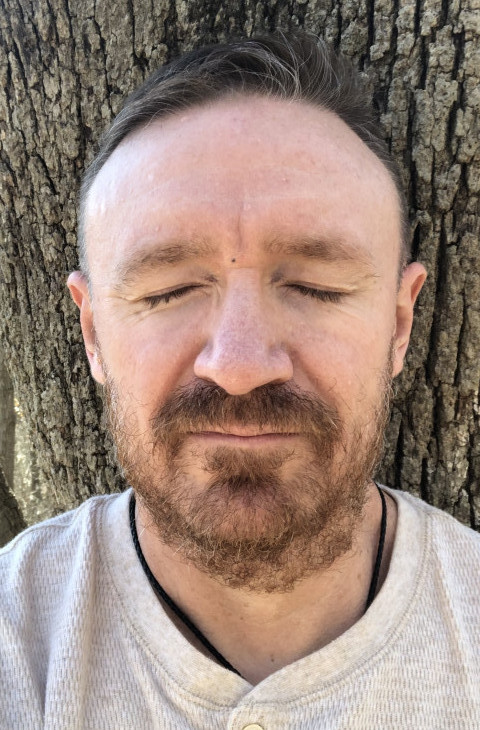
If possible, allow time to sit at the trailhead for a few minutes to get in the proper mindet for a hike or other nature outing. Don’t just jump out of your vehicle, throw your pack on and hit the trail running. Instead, I highly recommend finding a suitable to place to sit for a minimum of 10-20 minutes.Get as comfortable as you can, perhaps sitting cross-legged with your back against a tree or find a log or boulder to sit on. Begin relaxing and breathing naturally as you begin giving yourself permission to leave your mental and emotional baggage behind at the trailhead.
You can always pick them back up on your way out if you absolutely must, but I believe you’ll find you won’t want to. Close your eyes and imagine all that pent up stress and anxiety melting right out of your body and seeping into the earth around you.
Release any resentment, anger or ill will you may have been holding onto, whether towards yourself, or others. Forgive freely, and from the heart. Just let it go!
Take as long as you need to, and when you feel have done so sufficiently, begin opening your mind, heart and senses to your natural surroundings. If it is safe to do so, I suggest either using a blindfold, or at the very least keep your eyes closed for most of this exercise. This will allow your other senses to really open up and expand your awareness.
Focus first on your hearing for a few minutes, listening to the birds and other wildlife moving around, the sound of any moving water nearby, as well as the wind in the trees. Pay attention to the direction of the wind, how it shifts, and how it feels on your skin. If the sun is out, feel it’s energy and warmth on your skin too.
Next, move your awareness to your sense of smell. Depending upon the season, notice the pleasant aroma of any flowering blooms, the earthy scent of decaying leaves, or the sharp tang of any nearby evergreen trees. Is there a hint of coming rain in the air, or of smoke from a nearby campfire?
After a while, when you feel you’ve spent sufficient time focusing on each of these senses, open your eyes or remove the blindfold. Notice how much sharper and clearer everything feels and looks. Take a few minutes before hitting the trail to attune these senses of sight, sound, smell and touch together. The purpose of this exercise is to bring your awareness fully into this natural setting so you can be fully present as you proceed.
- Slow Down, and Talk Less and Softly
Getting from point A to point B is usually the overall goal for a hike or other nature excursion. But it shouldn’t be focused on so intently that everything lying in between those 2 points is missed.It can be easy to be so concerned with only covering ground, to get to that one scenic waterfall or vista, that we become oblivious to all of the other sights and wonders along the way. So remember to make it about the journey too, and not all about the destination.
If possible, plan to be out for a little longer than the estimated trail time will be. Allow for time to just slow down, and enjoy the sights. Go at a slower pace, paying close attention to the flora and fauna.
Slowing down allows you to more fully take notice of the tracks and sign of various wildlife in the area. As mentioned in the previous exercises, make a good effort to consciously quiet your mind, and open your heart and senses to absorb everything this natural setting has to share with you.
Also, if you’re in the company of others, try not to talk too much. Human voices can travel quite a distance, and can ruin any chances of seeing any wildlife in the area.
If you must talk, then remember to keep it at very low volumes, even a whisper if possible. Be mindful too of not stepping on any broken branches or kicking any stones that can create a disturbance.
If you move at a slower, quieter pace, and keep any conversation to a bare minimum, it can greatly increase your chances of having some pretty amazing wildlife encounters.
Consider Bushcrafting for Reconnecting
My whole purpose with this website, is to help people forge new and lasting connections with nature, particularly through the learning of various bushcraft skills that help build confidence and self-reliance. It is also my hope to assist others in developing proper mindsets and character along the way, qualities that are conducive to creating a strong and peaceful connection with nature.
In a nutshell, bushcraft encompasses much of what’s been previously discussed and more. It includes having practical knowledge of not only basic wilderness survival skills, but of how to efficiently use natural resources and materials found in the wild for a more natural approach to camping and other outdoor activities.
Bushcrafters generally go well beyond basic survival to create a more long term connection with nature in a way that is respectful and in harmony with it. If you’ve never heard of bushcraft and would like to learn more, then please check out my previous blog article “What is Bushcrafting?” here.
Forge New Connections with Nature
Phew! If you’re still here with me, then I sincerely thank you for reading this far. This has been a long one! My hope is that some if not all of what I’ve presented will resonate with you. If you feel it doesn’t apply to you personally, then please consider what you can do to help others in their personal struggles and journeys. We all need each others support!
At the very least, I hope that you feel inspired to get out more into the wild, natural places in a more mindful way that allows you to connect and experience nature more fully.
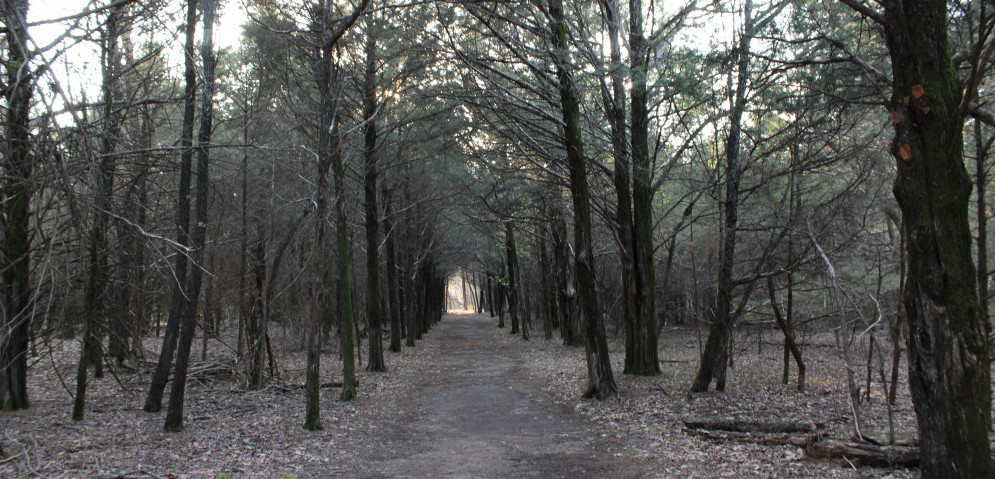
As you venture out to create your own personal adventures, and new connections with nature, please remember to be very mindful of what you carry within you. Be extremely selective of what you feed your mind, heart and body upon each day, realizing that it creates a ripple effect in your life for good or for bad.
Strive to be balanced and wholesome in your choices of media and entertainment. Take refuge in beneficial and healthy outlets, rather than in unhealthy coping mechanisms that can be self-destructive.
Don’t live vicariously through artificial escapes either, but envision the life you truly want to create for yourself, and get out there and pursue the dreams of your authentic self.
Educate yourself on aspects of nature that interest you, or that you may find scary.
Always strive to act with integrity, and make choices that are based on very high standards and principles. As you do so, endeavor to learn from past mistakes and make amends where needed. Forgive yourself and others freely, and just let the past go.
Quiet your mind, open your heart, and learn to appreciate a slower pace and work through any discomforts.
Approach nature with a pure, humble, and true heart! If you do, then you may very well find an enduring connection with nature that you can truly cherish for a lifetime!